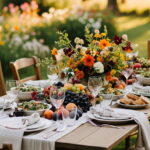
Table Setting 101: Crack the Code to an Effortlessly Elegant Table
There’s a certain kind of table that makes guests pause the second they walk in — not because it’s over-the-top, but because it feels intentional. That’s what we’re after with today’s elegant table setting ideas: a table that looks like it took real thought, without taking real stress.
The good news? Once you understand the code behind it, an elegant table setting is entirely repeatable — no matter the season or occasion.
What Mood Are You Setting?
Every table setting starts with a feeling, not a fork placement. Before you pull out a single plate, identify:
- The formality level — is this a casual gathering or a special-occasion dinner?
- The color story — pull from the season, the menu, or a favorite palette you already love.
- The focal point — will it be a centerpiece, place settings, or lighting that draws the eye first?
Seasonal shifts offer the most natural starting point for your inspiration. Whether you are embracing warm autumn tones, fresh spring florals, or cool winter accents, your chosen color palette serves as the primary anchor for the mood you wish to create.
Answering these three questions gives you a clear direction, so you’re not second-guessing every decision at the table.
The Anatomy of a Place Setting
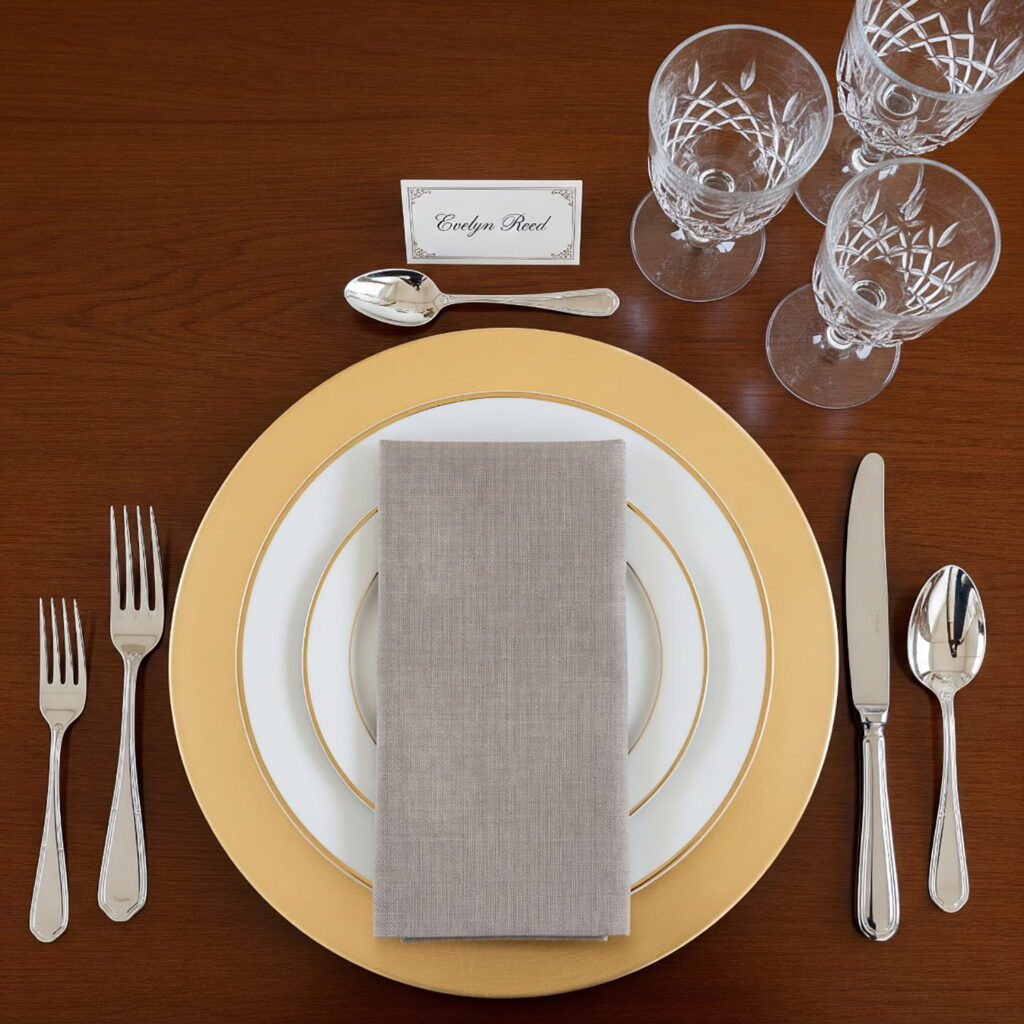
Here’s where a lot of hosts freeze up — but an elegant place setting really comes down to a simple, repeatable structure:
- Charger or placemat acts as a “frame” for your dinnerware. This foundation piece highlights your plates and instantly elevates the setting.
- Dinner plate, centered
- Salad or appetizer plate, stacked on top. This type of layering is designed to create visual dimension and sophistication, not just to serve a functional purpose.
- Napkin, folded simply and placed on the plate or to the left
- Forks to the left, in order of use from outside in
- Knife and spoon to the right, blade facing the plate
- Glassware above the knife — water glass closest, wine glass just to its right
- Place card, if you’re using one, above the plate
You don’t need every element for every dinner. Think about what your menu actually requires — a casual pasta night doesn’t need a formal five-piece flatware setup, and that’s perfectly fine.
Layer in the Details That Make It Feel Elevated
This is where a table goes from “set” to genuinely elegant. Create dimension by layering in:
- Texture. Mix a linen tablecloth or runner with a woven placemat, or pair smooth ceramic with a rustic wood charger. Texture is what makes a table feel curated rather than matchy.
- Height variation. A flat table reads flat. Use a low centerpiece with a few taller elements nearby — candlesticks, a bud vase, or stacked serving pieces — to give the eye somewhere to travel.
- Color restraint. Choose one dominant color, one accent, and one neutral. This is the fastest way to banish the boring, mismatched table without it feeling chaotic.
- Personal touches. A handwritten place card, a small sprig of greenery at each setting, or a menu card gives guests something to notice and remember.
Proportions and Materials
To avoid a flat, uninspired look, focus on mixing your materials. Pairing smooth ceramics with rustic wood chargers or sleek glass accents creates the textural contrast necessary for a curated feel.
Pro-tip for centerpieces: Always maintain clear sightlines for your guests. Keep arrangements either under 12 inches tall or above 24 inches so that conversation can flow across the table without obstruction.
A simple trick: set your table, then step back ten feet and squint. What draws your eye first? If it’s clutter instead of intention, simplify one layer at a time until the table feels calm again.
A Table Built to Be Used, Not Just Admired
An elegant table setting isn’t meant to be precious — it’s meant to be enjoyed. Once it’s set, resist the urge to keep fussing with it. Let the candles flicker a little unevenly. Let a napkin get moved.
The most elegant tables aren’t the most perfect ones — they’re the ones that feel like an invitation to sit down, linger, and stay a while. That’s crafting your creative code around hospitality, not perfection.
Personal Flourishes
You don’t need a large budget to make a big impact. Small, thoughtful details signal to your guests that you were thinking of them long before they arrived. Consider budget-friendly touches like a handwritten place card, a small sprig of fresh greenery (like rosemary or pine) tucked into a napkin, or a tiny take-home favor to end the night.
The Host’s Mindset
True elegance is rooted in how your guests feel, not just how the table looks. Adopt a mindset of hospitality by following key principles of dinner party etiquette, which help you balance respect and consideration for your guests. Send out your invitations 2-3 weeks in advance to respect your guests’ schedules. Once the party begins, prioritize their comfort by adjusting the ambiance—dim the lighting and keep background music at a volume that permits easy, flowing conversation.
Ready to build the menu to match? Start with our guide on planning a dinner party menu without the stress.