Birthday Planning: Home vs. Venue Considerations
Parents face a tough choice right at the start of birthday planning: Should they host the party at home or book a venue? Most people think home parties help save money. The truth might catch them off guard though. Home celebrations cut out venue costs but bring their own set of expenses. Decorations, food prep, entertainment, and cleanup after the party can pile up quickly.
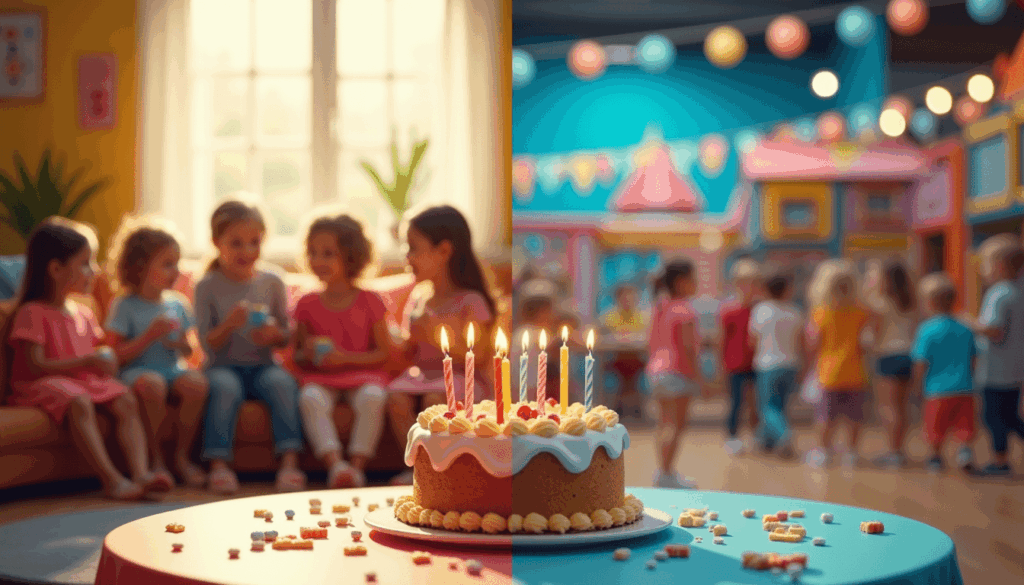
Smart party planning needs a look at several aspects beyond the basic costs. Home parties let you add personal touches and stay flexible with timing. Space becomes an issue though – larger groups might feel cramped. Venues solve the space problem and take care of cleanup. They usually eat up the biggest chunk of your budget though. The best choice for a memorable yet budget-friendly birthday depends on your unique needs. The guest list size, birthday kid’s preferences, and practical details all shape this important decision.
The Real Cost of Hosting at Home
Birthday parties at home might seem like an economical choice at first, but you’d be amazed at the hidden costs. The true cost of throwing a birthday bash at your place adds up fast across several categories. Let’s look at what you need to know before planning your next celebration.
Decorations and setup materials
You need more than just a few balloons to create a party atmosphere at home. Party decorations can set you back anywhere from $20 to $500, based on your theme and how detailed you want to get. A simple setup with balloons, streamers, and basic tableware costs between $20-$50. The price tag usually jumps to $50-$150 when you pick a specific theme with custom decorations.
Most parents find they’re comfortable spending $50-$150 to decorate their parties well. The costs climb higher with professional decorating services, which run from $200 to over $1,000 for fancy setups. One mom shared that she spent $45 on a piñata, helium balloons, and simple table settings from a party store, plus another $17 on craft supplies.
Money-saving tip: Look around your house first. Your furniture, linens, and even Christmas lights can make your space look great without spending extra. Craft and thrift stores are also great places to find cheap decorations that look good.
Food and drink preparation
Food tends to be the budget-buster for home parties. Recent data shows hosts spend about $81 per person on food. Smaller gatherings need around $250 for catering, while bigger events can cost $10 to $50 per guest.
Drinks can affect your budget by a lot, with open bars taking up to 20% of total party costs. A bartender adds $150-$200 to your bill. Making food at home costs less – usually $50-$200 for ingredients, plus $24 for cake supplies, frosting, and ice cream.
Here are some ways to keep costs down:
- Buy drinks from wholesale stores (1.5-liter wine bottles cost as little as $10)
- Schedule your party between meal times so you only need snacks
- Bake your own cake (saves $20-$50)
- Get take-and-bake pizzas ($22 can feed a small group)
Entertainment and games
Entertainment prices vary widely depending on what you choose. DJs charge about $500 on average, which blows most modest party budgets. Clowns or magicians cost between $150 to $500 for an hour’s show.
Entertainment gives you a chance to save money with home parties. You can play music through your speakers, set up backyard games with stuff you already have, or use free games on smart devices. Another mom mentioned spending just $17 on rubber stamps and ribbon to create a bookmark-making station.
Teen parties work great with movie marathons, dance competitions, or board games that don’t cost much. Parents often find these simple activities create great memories while staying within budget.
Post-party cleanup and repairs
The cleanup after your party comes with extra costs that people often forget about. Professional cleaning services take care of everything from trash to carpet cleaning and furniture fixes. These services become really helpful after drinks spill or accidents damage your carpets, upholstery, or furniture during the party.
Time costs money too. A parent shared that party prep took six hours and cleanup needed four more. Bigger parties might need special equipment to clean carpets, furniture, or outdoor spaces.
Cleaning companies usually check out your space before giving you a price to make sure they meet your needs. Many offer both pre-party setup and after-party cleanup packages to make things easier.
Remember these hidden costs when you’re adding up what hosting at home really costs. Kids’ parties that get messy might make venue rental with cleaning included worth the extra money. Don’t forget about possible repairs for damaged items, walls, or floors that can pop up later.
To conclude, home birthday parties cost more than most people think. Knowing these costs upfront helps you decide if hosting at home really saves you money for your particular celebration.
The Real Cost of Booking a Venue
Venue rentals are the biggest expense you’ll face when planning a birthday party budget. The costs can vary a lot based on several factors. Let’s get into what really drives the cost of booking a venue for a birthday party.
Rental fees and deposits
The cost to rent a birthday party venue depends on where you live and what type of space you want. Smaller cities charge between $75-$150 per hour on average, and most venues want you to book for at least three hours. Big cities are more expensive at $200-$300 per hour, with booking times from two to four hours.
You’ll need to put down a non-refundable deposit to lock in your date. These run from $95 for small parties to $300 for private events. On top of that, it might cost you $100 or more if you go over your guest limit.
The final price also depends on:
- Day and time (weekends cost more than weekdays)
- Season (peak times cost more)
- Length of rental (full-day versus evening-only)
- Space type (private restaurant rooms versus event spaces)
Catering and food policies
Food is the second-biggest cost when you book a venue. Many places have their own catering that runs $20-$75 per person for standard service. Food trucks are cheaper at $20-$35 per person.
Venues handle food costs in a few ways:
Many set minimum food and drink amounts you have to spend. Some let you bring outside food with limits—birthday cakes are usually fine, but other items might not be. Package deals might include basic food at a set price, and you can add premium options if you want.
To save money, ask if there are extra charges for special diets or meal requests. Also check the rules about leftover food—some places let you take it home, others don’t.
Staffing and service charges
Staff costs often surprise people. Service fees usually add 15-30% to your total bill. This covers setup, cleanup, and basic service staff.
Special staff costs look like this:
- Bartenders: $49-$60 per hour
- Waitstaff: $27-$37 per hour
- Event managers: $50 per hour
- Greeters/hostesses: $30 per hour
Many venues require more staff for bigger parties. A party with 100 guests might need 3-5 servers plus a bartender and manager, which adds up fast.
Most venues also have mandatory tips, usually 18-22% of your final bill. This is another cost to plan for unless it’s already in your package.
Add-ons like decor and entertainment
Tables and chairs usually come with the venue, but everything else costs extra. Decoration packages start at $125 for simple balloon setups and can run several hundred dollars for themed designs.
Entertainment at venues also costs money:
- DJs usually charge $500 or more
- Places like Dave & Buster’s give you 25% bonus gameplay with packages
- Custom goodie bags at children’s venues cost about $125 for 20 bags
What looks like a reasonable venue price can add up quickly when you include all these extras. Reading contracts carefully and planning ahead helps avoid surprise costs.
Venue rentals are expensive but they’re a great way to get convenience, professional staff, and special features that are hard to create at home. This makes them worth thinking about for your birthday plans.
Budgeting for a Birthday Party: Where the Money Goes
Parents often spend more than they plan to on birthday parties. Recent surveys show they shell out an average of $314 per party, not counting gifts. One in five parents end up spending over $500 on their kids’ celebrations.
Top 5 expenses in any party
Smart party planning starts with knowing where your money goes. Here’s what takes the biggest bite out of your budget:
- Food and Beverages: This eats up the biggest chunk – over 50% of party budgets. If you’re getting it catered, expect to pay $5-$20 per person for snacks or $20-$75 for full meals at venues.
- Venue Rental: Places to party range from free spots like homes and parks to fancy venues charging $50-$200 per hour. Special spots like museums or entertainment centers cost even more.
- Decorations: Party decor runs between $20-$200 based on how fancy you want to get. These days, 70% of parents feel pushed to create Instagram-worthy parties.
- Entertainment and Activities: You can spend anywhere from $0-$200 on games and entertainment. Kids actually care more about having fun things to do than fancy decorations.
- Birthday Cake: Custom cakes from bakeries cost $50-$150 depending on how fancy you go. Store-bought cakes run $10-$30. Kids rarely notice if you splurged on an expensive cake.
The child’s age plays a big role in costs. Parties for toddlers average $279, while school-age kids’ parties (6-10 years) typically run $344. Millennial parents tend to spend more ($329) compared to Gen Z parents ($276)[173].
How to allocate your budget wisely
These costs add up fast, so smart planning makes a difference. Party pros suggest the “FAD” method – focus on Food, Activity, and Dessert as your must-haves. Set your spending limit before making any plans.
Party timing can save you real money. Schedule between meal times (like 10:30 am or 2 pm) and you can serve snacks instead of meals[161]. This simple switch cuts food costs by 30-50%.
Making your own food instead of catering helps your wallet. Home-cooked party food costs $5-$20 per guest compared to $20-$35 for catering. A cake mix at $2-$5 saves big compared to custom cakes starting at $50[161].
Smaller guest lists help control costs. Rather than inviting whole classes or teams, stick to 10-15 close friends. This approach can keep your total under $100.
Dollar stores are a great way to get decorations and party supplies. These shops sell items way cheaper than party stores. Smart shoppers report spending just $50-$100 total by buying discount store supplies.
Digital invites work just as well as paper ones and cost nothing. You’ll save on printing and stamps while still sending cute designs. Small savings like this add up across your party budget.
Little kids don’t remember fancy parties. Many parents scale back after their first child’s big bash once they see expensive touches go unnoticed. The birthday kid’s age should guide your spending choices.
Great birthday parties come down to smart choices, not big spending. Put your money toward what matters most to your child and you’ll create amazing memories without breaking the bank.
Scenario 1: Small Party for Kids
Birthday parties for small kids need a different approach when you’re choosing between home and venue options. Kids under 8 have special needs that affect comfort, cost, and convenience. These needs are different from what older kids or adults might want. Let’s get into what works best for your little one’s big day.
Why home might be better
Young children feel safe at home. They can go to their room if things become too much. This helps toddlers and preschoolers who might feel overwhelmed in new places. Your home also takes away the hassle of travel – this is a big deal as it means that you won’t have to deal with nap times and restless little ones.
Home parties give you more freedom with timing. Unlike venues that stick to strict two-hour slots, you can work around your child’s schedule. You can also set up decorations early, which builds excitement for your birthday kid and spreads out your prep work.
Food choices are much easier at home. You’re in charge of the menu and can handle any food allergies without extra costs. Simple, homemade food works great for little kids’ parties and helps you save money on catering.
Here’s how you can keep costs down with a home party:
- Parks are budget-friendly alternatives to paid venues
- Schedule the party at 10:30am or 2pm so you only need snacks instead of meals
- Keep the guest list small – many experts say invite your child’s age plus one more kid
Younger kids usually have fewer friends, so home parties work well without feeling crowded. Most homes can handle 8-10 children without any problems or extra costs.
When a venue still makes sense
Venues have their own perks, even for small kids’ parties. You won’t need to worry about rain spoiling outdoor fun or squeezing everyone inside. This becomes extra important during seasons with tricky weather.
The cleanup factor often pushes parents toward venues. One parent spent six hours getting ready and four hours cleaning up after a home party. A venue fee starts to look pretty good when you think about all that work.
Entertainment can be tough at home. Venues come with built-in activities that keep kids busy. At home, you’ll need to plan games and activities yourself – that takes time and energy you might want to use elsewhere.
Things can break when excited kids run around your house. Fixing damaged furniture or cleaning stained carpets might cost more than a venue would have. Kids also tend to behave better in party venues where rules seem clearer than at someone’s house.
Parents say private venue rooms offer things that even nice homes can’t match. Good bathrooms, plenty of seating, and your own space away from other parties help everyone relax.
Your choice really comes down to what works for you. Think about your home’s size, how much prep work you can handle, and your child’s personality. Both options can create great memories if they match your budget and what matters most to you.
Scenario 2: Large Party for Teens or Adults
Birthday celebrations for teens and adults are quite different from kids’ parties. The number of guests makes a huge difference. When you’ve got dozens of people coming, choosing between home and venue isn’t just about what you prefer – it’s about what works. Let’s get into why bigger parties often lead people to book venues, even though they cost more.
Space and logistics challenges at home
Most homes feel too small when you pack them with lots of people. Unless you own a mansion, fitting dozens of friends and family becomes a real challenge. Your average living room just can’t handle multiple groups chatting, food stations, and activity areas that big parties need.
Parking becomes the biggest problem at home parties. Guests waste time driving around looking for spots, and they might show up already frustrated. This gets even worse in busy neighborhoods where neighbors get upset about blocked driveways and crowded streets.
Party hosts rarely enjoy their own event. One experienced host gave an explanation: “The biggest disadvantage will be the time and energy required when organizing your own party. The host rarely gets to enjoy the night, as there’s often much to organize”. Even with help, someone needs to manage the staff all night, which takes away from the celebration.
The cleanup afterward is a big deal. After days of getting ready, you’re stuck with hours of cleaning. Taking out countless trash bags, doing mountains of dishes, and getting rid of tough carpet stains make many hosts think venue fees are worth every penny.
Home entertainment setups are nowhere near what commercial venues offer. Professional sound gear, lighting, and AV equipment boost the atmosphere in ways your home system can’t match. This matters a lot for teen parties where music and mood can make or break the experience.
Venue perks for bigger groups
Event spaces really shine with large crowds. These places are built to handle big groups, with plenty of room to mix, eat, and dance without feeling squeezed. Everyone can move around freely and enjoy different activities throughout the night.
The staff at venues is a game-changer. Professional teams take care of everything from serving food to cleaning up. Venue staff helps plan and run the whole show. You get to relax and enjoy time with your guests. They also handle technical stuff like sound systems and keeping entertainment on schedule.
Venues come with great features that make guests happy:
- Professional sound and lighting systems that set the mood
- Proper dance floors with enough space
- Multiple restrooms to avoid lines
- Features for guests who need help moving around
- Valet parking to eliminate transport hassles
Indoor venues take weather worries off your plate. Unlike backyard parties that can get rained out or too hot, commercial spaces stay comfortable all year. This really helps when you’re planning something special months ahead.
The best part? You actually get to be part of the celebration instead of running it. After weeks of planning a birthday, being able to enjoy it is worth the extra cost to many people. As one event planner put it, “A professional venue is much more than a place to carry out a celebration; it reshapes the scene”.
Big parties need careful thinking about practical limits and budget. When your guest list goes over 20-30 people, the convenience and strong setup at event spaces often justify the cost, even if you’re watching your spending.
Scenario 3: Mixed-Age Family Gathering
Family gatherings that include both children and adults create a unique birthday planning challenge that is different from celebrations meant for specific age groups. These mixed-age events need careful planning to make sure everyone has a good time, whatever their age or interests might be.
Balancing adult and kid needs
Mixed-age birthday celebrations often face a common problem. Adults end up sitting uncomfortably making small talk while kids run around wildly. Neither group really enjoys themselves. The key to successful gatherings lies in planning activities for both groups. Adults need comfortable areas to sit and chat, while kids require active entertainment to keep them busy.
Picking the right entertainment becomes crucial with multiple generations. Kids love bouncy houses and bubbles, but adults might feel left out without their own fun activities. Setting up games like cornhole, frisbees, croquet, or photo booths will give everyone something fun to do.
Food plays a key role in bringing everyone together. Here are some crowd-pleasing options that work well for all ages:
- Taco bars with various toppings
- Burger and hot dog stations
- Pasta dishes with different sauce options
- Fruit platters and vegetable trays
- Dessert buffets with many choices
A dessert buffet works great when “one person loves cake, but the other loves brownies.” This way, birthday celebrants get their favorite treats while guests can pick what they like best. Food becomes the common ground that brings different generations together naturally.
Affordable hybrid solutions
Mixed-age celebrations work best with hybrid approaches that give good value. Entertainment venues like Main Event, Jake’s Unlimited, or similar places offer activities that appeal to everyone. You won’t need to create separate entertainment zones at home.
Home parties can be just as successful with good planning. Kids stay busy with treasure hunts where they search for puzzle pieces that reveal a shared prize. Adults can chat while keeping an eye on the young ones, which creates natural conversation opportunities.
Hosting between meal times saves money and works well for mixed groups. This approach cuts food costs and matches different age groups’ energy levels. Planning your party between 2-5 pm means you can skip full meals and serve lighter snacks instead.
Your guest list should determine whether to host at home or book a venue. A venue might be worth the extra cost if grandparents or guests with mobility issues will attend. However, young children often feel more comfortable in familiar home settings where they won’t get overwhelmed.
Many families find success by mixing both approaches. They might host at home but bring in outside entertainment, or rent a simple space and handle the food themselves. The best celebrations focus on what matters to your specific group of guests rather than spending too much on extras that nobody really needs.
How to Plan a Birthday Party on a Budget
Birthday celebrations don’t need to break the bank. Smart financial planning and thoughtful spending choices help create amazing birthday memories without emptying your wallet.
Set a clear spending limit
A spending limit helps avoid financial stress and overspending. Parents typically spend around $314 on their child’s birthday party. The numbers show that 20% of parents spend more than $500. You can stay within your means by deciding on your maximum budget before making any plans.
Here’s a practical budget breakdown by category:
- Venue costs (20-30% of total budget)
- Food and beverages (30-40%)
- Decorations (10-20%)
- Entertainment (10-20%)
- Miscellaneous/gifts (5-10%)
Prioritize must-haves vs nice-to-haves
Smart fund allocation makes everything in birthday party planning work better. The “FAD” approach works well – focus on Food, Activity, and Dessert as your three basics. You can treat everything else as optional.
Your child can learn valuable money lessons by taking part in budget decisions. Let them know the total birthday budget that covers both presents and parties. This teaches them about money while ensuring the funds go toward what they value most.
Families with limited budgets might want to try the “party or present” approach. One mom kept her birthday expenses under $100 by letting her child choose between a bigger gift or a better party.
Use free or low-cost entertainment
Great entertainment doesn’t need to cost much. Here are some budget-friendly ideas that work well:
- Classic games like freeze dance, musical chairs, and treasure hunts
- Bubble activities with homemade solution and wands
- DIY craft stations using dollar store supplies
- Library books that match your party theme (completely free!)
Kids remember the fun times and attention more than expensive extras. Many parents who started with big party plans found that simple celebrations created lasting memories just as well.
Making the Final Choice: Home or Venue?
The big moment in your birthday planning comes down to a simple choice: should you host at home or book a venue? This decision needs you to balance practical needs with your priorities to create the perfect celebration.
Checklist to guide your decision
Your specific situation will help you make the right choice. Here are the core factors to think about:
- Guest count and space requirements: Home parties suit smaller gatherings better, while venues work well for larger groups
- Child’s personality and needs: Think about how your child feels in each setting—some kids love familiar spaces while others find big venues overwhelming
- Budget reality: Take a good look at your finances to see what fits without overspending
- Weather concerns: Venues give you peace of mind about rain or temperature changes
- Parking situation: A venue with plenty of parking might work better if your street has limited spots
- Time investment: You’ll spend more time setting up and cleaning at home than at venues that handle these tasks
Questions to ask before booking
You should get answers to these important questions before you lock in your venue:
Money matters come first: “What does the rental fee include? Are there additional charges beyond the base rate?”. The base fee usually covers tables and chairs but you might pay extra for decorations or AV equipment.
The venue rules matter too: “What are your restrictions on outside food or decorations?”. Some places won’t allow things like confetti or want you to use their catering.
The timing details are crucial: “When can we access the space for setup, and what time must we be completely cleared out?”. These timeframes will shape your party schedule.
Your comfort level, event goals, and budget will guide your choice between home and venue. A good review of these factors and the right questions will help you plan a celebration that everyone enjoys.
Conclusion
Your specific priorities and circumstances will shape your birthday planning decisions. Home celebrations add personal touches with flexibility. Venues make things easier with professional services that take away the stress. After looking at everything, you might find neither option saves more money in every case.
A closer look at the budget shows some unexpected things about both choices. Home parties help you avoid rental fees. But costs for decorations, food prep, entertainment, and cleanup add up fast. Venues charge more but include services that let you enjoy the celebration instead of running around managing everything. Of course, both choices have their good points based on your guest count, age range, and how comfortable you feel managing parties.
Your celebration’s specific needs should guide your choice. Young kids’ parties work great at home where everything feels familiar. Bigger teen or adult gatherings do better in venues built to handle crowds. Family celebrations with mixed age groups need careful planning whatever location you pick.
The best birthday parties happen when your budget matches what’s important to the birthday person. Put your money toward creating special moments instead of fancy decorations or costly extras nobody notices. Download our Celebration Planner to sort out your ideas and keep track of costs while you make these key decisions.
The most special celebrations come from good planning, not big spending. Your party will be amazing at home or in a venue if you pay attention to personal details. The right location finds the sweet spot between practical needs and the celebration you want to create.