

Why “Visual Silence” Is The Secret to Stunning Decor in January
Exhausted by all those holiday decorations? You’re not alone. After weeks of festive chaos filling every corner of your home, your space is practically begging for what designers call “visual silence” — and January is the perfect time to give it exactly what it needs.
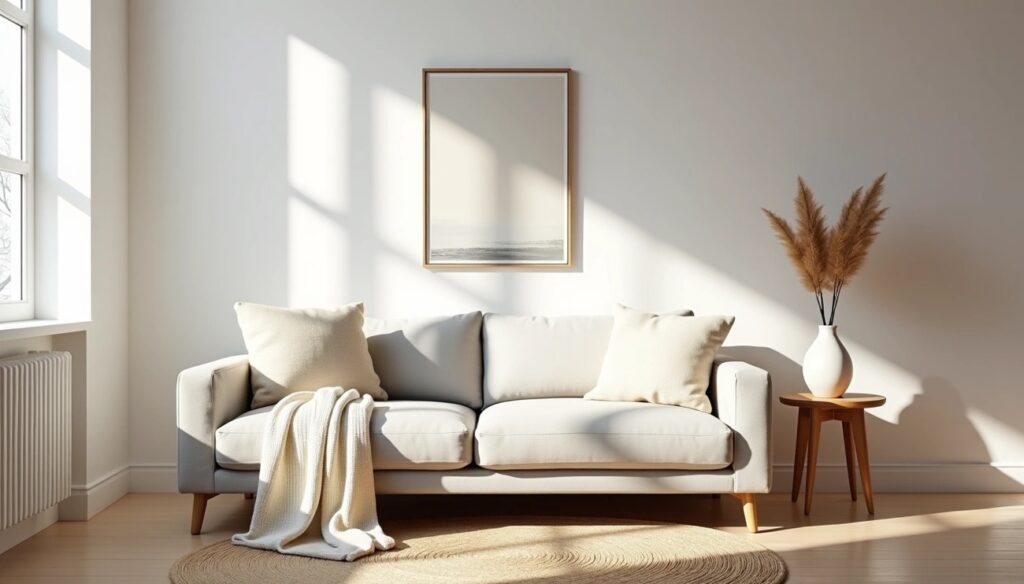
Here’s the thing about post-holiday decorating: your home doesn’t need more stuff. It needs breathing room. Visual silence creates that peaceful calm your mind craves after months of holiday stimulation.
Less really does become more when it comes to January home decor. Those winter months following the December holiday hustle can still be cozy without feeling overly decorated clutter. Want to know a simple trick that makes a huge difference? Warmer lights around 2700K can reduce your stress levels compared to cooler alternatives. That’s an easy way to add comfort while keeping things visually calm.
The best part? You don’t need complicated design theories to make this work. There are tried and true principles that create a cozy home while staying refined and classic. This approach helps you reset after the holiday rush and step confidently into your new year — exactly what you need right now.
What Is Visual Silence and Why It Works in January
Visual silence creates breathing space in your home exactly when you need it most. Visual silence is the strategic use of empty space and minimal elements to create focus, emotion, and meaning. It reduces visual noise, offering clarity, calm, or deeper introspection. In your home, this interior decor technique provides “breathing space” by emphasizing simplicity and intention, allowing the eye and mind to rest.
How it contrasts with holiday overload
Does your brain feel tired after weeks of holiday decorations? There’s actually a neurological reason for that. The contrast between December’s visual complexity and January’s simplicity isn’t just about esthetic preference. A chaotic visual environment, filled with holiday clutter, is treated as a potential threat by your dorsal attention network, causing it to go into overdrive. January’s visual silence offers your mind genuine psychological relief when you’re ready for a fresh start.
Why it aligns with new year energy
January calls for clarity to set intentions. A decluttered space looks cleaner, feels more stylish, and fosters positive energy. Studies show people who prefer simpler esthetics report equal or higher joy, gratitude, and connection.
This approach emphasizes negative space – that breathing room between objects. In our distracting world, silence is vital for mental clarity and brain health. Embracing the visual silence at the start of the year creates the ideal setting for fresh starts and new thinking that can last all year long.
How to Create Visual Silence Through Decor
Think of January decorating as hitting the reset button on your home. You’re not aiming for empty rooms — you’re creating thoughtful spaces that let you breathe again. This approach strips away the excess to reveal what truly matters in your space.
The best part? Visual silence becomes the foundation for intentional living throughout the year, not just a post-holiday recovery plan.
Choose a limited color palette
Want to know what makes post-holiday decorating feel effortless? Start with simplicity. Those neutrals everyone talks about — whites, beiges, light grays, and sand tones — actually create welcoming, balanced atmospheres that work. These light colors reflect natural light, making spaces feel more spacious, which is particularly effective in smaller rooms or rooms without a lot of natural sunny light.
Here are January-friendly palettes that actually feel good:
- Sage green and taupe for an earthy, organic quality
- Soft sage green with dusky pink for tranquility
- Cream and pale yellow to create the impression of gentle sunlight
Stick to three to five colors. This isn’t about restricting your creativity — it’s about letting your furniture, artwork, and carefully chosen decor accents stand out.
Use negative space as a design tool
Negative space isn’t empty space — it’s the breathing room that allows clarity to form and to function. Good negative space feels intentional. It gives your eye a place to pause and makes rooms feel composed rather than crowded.
Limit decorative items to essentials
After months of holiday excess, decorate with fewer, higher quality pieces to create an especially refreshing feeling. Leave occasional areas or shelves empty to direct attention to pieces you truly want to be noticed. This prevents that sensory overload where your eye drifts aimlessly without actually seeing individual objects.
This is particularly important in kitchens. Resist filling every nook or upper shelf with storage containers or decorative items. .
Let light and shadow add depth
Strategic lighting enhances both the look and feel of your home, while shadows add dimension and contrast that makes spaces feel dynamic.
Consider these three lighting approaches:
- Ambient lighting for general illumination and mood-setting
- Accent lighting to highlight architectural features or artwork
- Directional lighting for sharp contrasts or energetic atmospheres
The dynamic between illuminated areas and shadows gives you visual interest that doesn’t require more stuff on your shelves.
Room-by-Room January Home Decor Ideas
Taking down all those holiday decorations leaves every room feeling a bit empty, doesn’t it? Don’t worry — this is exactly the fresh start your home needs. Room-specific January decorating creates spaces that feel both refreshed and inviting without overwhelming your senses.
Living room: soft throws, fewer pillows
Your living space deserves the “fewer, better pieces” approach right now. Soft throws add the texture and warmth you need while keeping things simple. Choose natural fabrics like cotton — they’re breathable and machine-washable, making them perfect for winter practicality. Something like the Faribault Mill Monhegan Cotton Throw works beautifully with its herringbone pattern and relaxed fringe.
Keep your coffee table clear except for maybe one simple vase with branches. You can swap these seasonally, but resist the urge to add more. Less really is more when you’re creating that peaceful vibe.
Bedroom: clean bedding and warm lighting
Want to create a true winter retreat? Layer your bedding with warm blankets while keeping the look clean and simple. Stick to those 2700K light bulbs we talked about — they help you relax and get better sleep.
Skip the stark white lampshades. Instead, choose neutral tones and natural materials like linen for that lived-in comfort. Remember, you want soft, diffused light rather than harsh brightness. Your bedroom should feel like a cozy sanctuary, not a hospital room.
Kitchen: clear counters and one focal point
Here’s where things get real — kitchen counters collect clutter faster than anywhere else. The solution? Clear everything off and decide what truly needs daily access. Research shows that clutter actually increases stress signals in your brain, making cooking feel chaotic instead of enjoyable.
Luckily, you can create intentional placement for items that must stay out. Group all small appliances in one corner if needed. Then choose just one striking focal point — maybe a beautiful backsplash or special countertop — while keeping everything else understated.
Entryway: simple welcome with greenery
Your entryway sets the tone for your entire home. Instead of multiple decorative items creating visual noise, focus on one element that makes a difference: fresh greenery.
Plants naturally purify the air while creating that welcoming feeling you want. Small entryway? Try a vertical plant. More space? A statement floor plant works perfectly. This simple approach establishes an inviting tone without the overwhelm.
How Visual Silence Helps You Feel Ahead in January
The magic of January’s visual silence goes way beyond making your home look prettier. Once you’ve cleared away holiday excess and embraced simplified spaces, something amazing happens — you start functioning better in every area of your life.
Supports mental clarity and focus
Your cluttered surroundings have been working against you more than you realize. When you reduce visual noise, you create space for your mind to process information more efficiently.
This January home decor approach gives your nervous system room to breathe. You’ll find concentration becomes significantly easier when your space isn’t competing for your attention.
Makes cleaning and organizing easier
Here’s a practical benefit you’ll notice immediately: simplified spaces require way less maintenance. When you reduce items to essentials, you eliminate dozens of small cleaning tasks that collectively drain your energy.
Visual silence allows you to spend less time maintaining your space and more time enjoying it — a practical benefit that goes far beyond esthetics.
Sets the tone for intentional living
Visual silence naturally encourages purpose-driven choices throughout your year. This approach transforms your home into a genuine haven where comfort and intimacy become the real protagonists. You’ll find yourself making more thoughtful decisions about how you want to live, not just how you want your space to look.
Encourages mindful consumption
Visual silence promotes thoughtful purchasing decisions. Before bringing new items home, you’ll naturally question their value to your living space. This leads to fewer, better possessions that truly enhance your life rather than just filling space.
Mindful consumption prevents accumulated clutter, and allows for maintaining the clean and organized space you’ve worked hard to create. January’s visual silence sets a pattern of intentional choices that serves you throughout the year — helping you feel consistently ahead rather than constantly catching up. But if you do find yourself in need to catch-up, the traditional spring cleaning season is a perfect time to do it (again).
Ready to Make January Your Fresh Start?
Visual silence isn’t just another decorating trend you’ll forget about next month. This approach gives you a genuine reset for both your home and your mind when you need it most. The contrast between December’s festive abundance and January’s thoughtful restraint serves a deeper purpose — it allows your brain to decompress while creating space for new beginnings.
Want to know the best part about resetting after the holiday rush? It’s surprisingly straightforward once you embrace these principles. Start with a clean slate by removing seasonal decorations completely rather than gradually. This decisive action signals to your brain that a new phase has begun. Choose a limited color palette focused on soft neutrals that expand your space visually while promoting calm. Arrange furniture with intentional negative space, allowing each piece room to breathe. Keep only decorative items that truly matter.
The transition to a new year requires mental clarity and physical comfort — visual silence delivers both effortlessly. Your simplified January decorating ideas actually support goal-setting and fresh thinking by removing distractions. Thoughtful touches like warm lighting at 2700K create a nurturing environment during winter’s coldest months. This minimal approach fosters maximum coziness through quality over quantity.
Here’s what happens when you stick with this approach: cleaning becomes less daunting with fewer items to manage. Organization happens naturally when everything has a designated place. This streamlined approach influences your purchasing decisions, encouraging mindful consumption that prevents future clutter.
The most valuable aspect of visual silence? Its lasting impact. While other decorating trends come and go, the principles of intentional spaces serve you year-round. Consider January not merely as a month to survive after holiday excess, but as an opportunity to establish a home that truly nurtures your well-being.
Visual silence becomes your secret weapon — creating spaces where you feel consistently ahead rather than perpetually catching up.
Key Takeaways to Creating Visual Silence
After the visual overload of holiday decorations, “visual silence” offers a powerful reset for both your home and mind, creating calm spaces that support mental clarity and intentional living.
• Embrace visual silence by choosing limited color palettes, using negative space intentionally, and reducing decorative items to essentials only
• Clear counters and surfaces in each room, keeping only one focal point per space to prevent sensory overload and reduce stress
• Use warm 2700K lighting and natural materials like cotton throws to create cozy comfort without visual clutter
• Visual silence supports mental clarity, makes cleaning easier, and encourages mindful consumption throughout the year
• Start with a complete removal of holiday decorations rather than gradual changes to signal a fresh beginning to your brain
This approach transforms January from a post-holiday recovery period into an opportunity to establish nurturing spaces that serve your well-being year-round. Visual silence becomes your foundation for intentional living, helping you feel consistently ahead rather than perpetually catching up.