An Easy Champagne Bar Setup That Wows
Here’s an interesting fact: all champagne is sparkling wine, but not all sparkling wine is champagne. A champagne bar creates an elegant focal point at your party and wows guests without demanding your constant attention. Your New Year’s Eve celebration becomes more enjoyable with a self-serve bubbly station that lets guests customize their drinks while you mingle and have fun too.
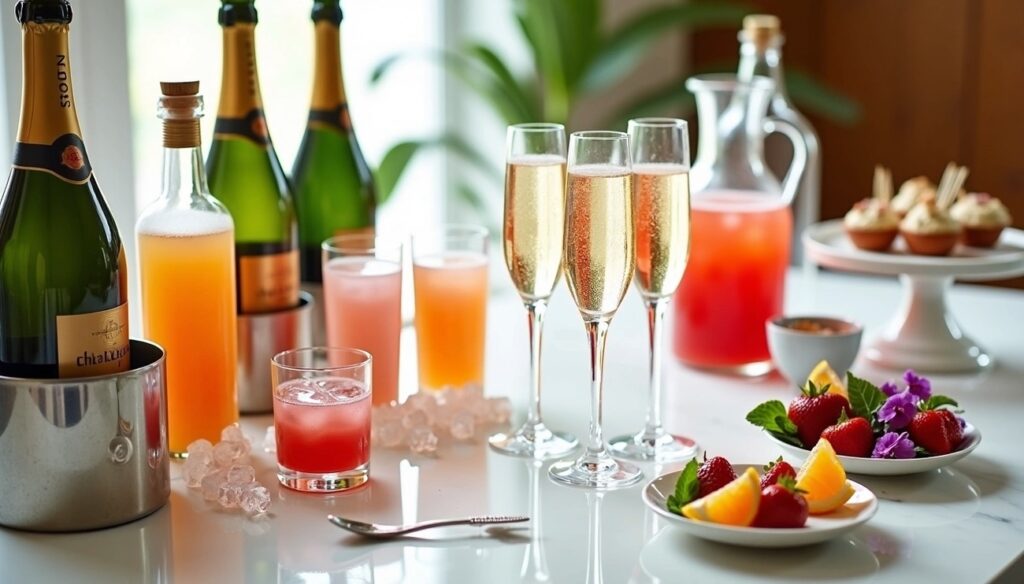
You don’t need professional bartending skills or a huge budget to create an impressive champagne bar. A single bottle of bubbly yields about eight cocktails, making it easy to calculate your needs based on the guest count. Bottle sizes range from mini versions offering 1-2 servings to larger formats, which gives you flexibility for any gathering size.
Your glassware choice matters significantly. A champagne flute’s tall, narrow shape and long stem help maintain the drink’s fizz longer. Note that quality spirits set the party’s tone, but serving champagne cocktails to a crowd doesn’t require expensive, top-shelf bottles. This smart approach frees up your budget to add creative garnishes that will make your New Year’s Eve champagne bar truly unforgettable.
Start with a Plan: Guest Count and Budget
The life-blood of any successful champagne bar for party planning comes down to knowing the right amount of bubbly to buy. Your original task involves figuring out two crucial things: how many guests you’ll have and the duration of your celebration.
How much champagne to buy per guest
Your champagne needs will vary based on the type of event. Here’s a simple breakdown:
- For a toast only: Plan one glass per person (a standard 750ml bottle serves 6-10 people)
- For a cocktail hour: Expect 1.5-2 glasses per guest (one bottle serves 3-4 people)
- For a dinner reception: Plan 2-3 glasses per person over 2-3 hours
- For a full evening celebration: Set aside 3-4 glasses per person (about half a bottle each)
- For a mimosa brunch: One bottle makes 6-8 cocktails based on your mix ratios
Note that a standard champagne pour is about 125ml, which gives you about six servings from each bottle. People usually drink one alcoholic beverage per hour at events.
These guidelines help with specific party sizes:
- 20 guests for a cocktail party: you’ll need about 15 bottles
- 50 guests for a toast: grab 10 bottles
- 100 guests for a full service 2-hour event: stock up with 150 bottles
Add a 10-15% buffer to your calculations. Extra bottles on hand will save you from running out during your celebration. On top of that, it covers any accidents or spills that might happen.
Choosing between DIY and pre-made options
A DIY champagne bar setup lets you be creative and save money. You don’t need expensive French champagne to create a great bubbly bar. Quality sparkling wines work great, especially if you’re making cocktails.
To keep costs down:
- Mix price points – Stock one premium option among more affordable choices . Chandon Brut gives you quality without the high price tag.
- Think over bottle sizes – Standard 750ml bottles suit most events, but magnums (1.5L) create an impressive display for bigger parties and need less chilling space.
- Include non-alcoholic options – Sparkling cider, alcohol-removed sparkling wine, or flavored seltzer lets everyone join in whatever their drinking priorities.
- Streamline service – Self-serve stations work better with pre-mixed popular combinations in pitchers (like mimosas). This prevents crowding around your champagne bar.
- Timing matters – Get champagne cocktails flowing during arrival and cocktail hour, save straight champagne for toasts, and offer both during dinner and dancing.
DIY setups beat pre-made options because they’re customizable. Your guests can mix drinks to their exact taste. More importantly, you’ll get to enjoy your own party instead of playing bartender all night.
Pick the Right Bubbly for Your Crowd
You need the perfect sparkling wine to create a memorable champagne bar that will make your party a soaring win. The right selection depends on your guests’ priorities and your budget.
Dry vs. Sweet: Understanding champagne types
The sweetness scale helps you pick the right bubbly. Wine makers categorize champagne and other sparkling wines by their residual sugar content in grams per liter (g/L). Here’s what each level tastes like:
- Brut Nature/Zero Dosage: 0-3 g/L – Bone dry with no added sugar
- Extra Brut: 0-6 g/L – Very dry
- Brut: Less than 12 g/L – Dry and most common
- Extra Dry: 12-17 g/L – Despite the name, slightly sweeter than Brut
- Sec: 17-32 g/L – Noticeably sweeter, “medium dry”
- Demi-Sec: 32-50 g/L – Quite sweet, good with desserts
- Doux: More than 50 g/L – Very sweet
Brut works best for beginners or mixed crowds because it’s versatile and appeals to most people. Extra Dry or Demi-Sec might work better if your guests like sweeter drinks. Wine enthusiasts often appreciate Extra Brut’s sophisticated minimal sweetness.
Grape varieties create distinct flavor profiles. Chardonnay-based champagnes taste crisp yet full-bodied. Pinot Noir varieties give you more complexity and depth. Blends with Pinot Meunier offer a fruitier taste.
Prosecco, Cava, and other sparkling options
Real Champagne comes only from France’s Champagne region. You’ll find several excellent alternatives that cost nowhere near as much without compromising on quality.
Spanish Cava uses traditional champagne-making methods but costs by a lot less. Spanish winemakers use Macabeo, Parellada, and Xarello grapes to create crisp citrus notes with green apple flavors. This makes Cava perfect for weddings, business gifts, or dinner parties that need a premium feel while staying budget-friendly.
Italian Prosecco gives you another wallet-friendly choice. Made mostly from Glera grapes using the tank method instead of in-bottle fermentation, Prosecco has larger, looser bubbles with light, fresh, and fruity characteristics. Many newcomers to sparkling wine actually prefer Prosecco’s fresher, cleaner, and more citrusy taste over Champagne.
Sweet wine lovers should try Italian Moscato d’Asti with its tropical, fruity, and juicy flavors that work beautifully with desserts. Italy’s Lombardy region gives us Franciacorta, which follows champagne’s traditional method and offers sophistication at better prices.
Smart timing of your bubbly service makes the party even better. Start with lighter options like Prosecco as guests arrive. Save traditional Champagne or Cava for toasts, and keep both available through dinner and dancing. Morning events work great with a mimosa station using Prosecco or Cava as your base.
Don’t forget to include non-alcoholic options like sparkling cider or alcohol-removed sparkling wine. This way, everyone joins the fun. These alternatives look just as elegant in proper champagne flutes next to their alcoholic counterparts.
Build a Beautiful and Functional Champagne Bar Setup
The look of your champagne bar can turn an ordinary party into something extraordinary. A stylish champagne bar for party does more than serve drinks – it becomes a conversation starter that brings guests together.
Essential tools and glassware
The right glassware plays a vital role in presentation and taste. Each style has its own use:
- Champagne flutes – Their tall, narrow shape preserves carbonation longer, making them ideal for pre-poured drinks before service
- Coupe glasses – These traditional shallow bowls bring 1920s sophistication and give excellent aeration to boost aroma (perfect for champagne cocktails)
- Tulip glasses – These combine the best features of both styles with a broader bowl that narrows at the top, trapping bubbles while letting aromas develop
Your champagne bar needs practical equipment beyond glasses. A stainless steel or vintage glass ice bucket keeps bottles at the right temperature. This maintains the chill at the table and adds an elegant touch to your setup. You’ll also need bar tools like jiggers to measure, stirrers to mix, and small serving trays for garnishes.
Decor and layout tips for visual appeal
A stunning setup needs multiple levels. Use tiered serving trays or stacked vintage suitcases to create dimension and interest. The right lighting makes your champagne bar stand out – string fairy lights or small lamps add warmth and invite guests in.
New Year’s Eve celebrations shine with fresh flowers, candles, or subtle confetti sprinkles. A mirrored serving tray with metallic accents reflects light and adds glamor. Clear signs on notecards, chalkboards, or paper table covers help guests find what they want without asking you.
Creating a flow that avoids crowding
Smart layout planning prevents frustrating bottlenecks. Larger gatherings need multiple bar stations around the venue to cut down on lines and waiting. Separate areas for champagne and mixers let guests move freely without bumping into each other.
Wide pathways that fit 3-4 people side by side mean guests can pass even when others stop to chat. Small lounge areas near the main bar give people spots to relax with their drinks without blocking traffic.
Your party runs smoother when you time things right. Serve straight champagne as guests arrive and during toasts, then switch to champagne cocktails during mingling time. This spreads visits to your champagne bar throughout the night instead of creating one busy rush.
Recipe cards or simple instructions nearby let guests mix their own signature drinks. This means you can enjoy your party instead of playing bartender all night.
Add Flavor with Juices, Mixers, and Garnishes
You can turn regular bubbly into amazing cocktails with the right additions that blend well without taking over. A champagne bar set up becomes memorable when you use creative mixers and garnishes.
Juices and syrups that pair well with bubbly
Most champagne cocktails are built on classic fruit juices. Orange juice shines as the perfect mixer in mimosas, and blood orange adds deeper color with intense flavor. Cranberry juice brings festive tartness with its bright red color at holiday gatherings. Pineapple juice works great with drier champagnes to create tropical flavors.
The right syrup can lift your bubbly bar ideas beyond simple options. You might want to include:
- Blood orange syrup to add bright, citrusy notes with a touch of bitterness
- Falernum to bring spiced flavors with clove and ginger hints
- Mango or coconut syrups that create tropical summer-inspired drinks
Pomegranate juice makes vibrant pink cocktails while adding antioxidants and tang. Simple syrup should be available separately so guests can adjust their drink’s sweetness.
Creative garnishes for drinks
Glass rim decorations can make any champagne cocktail special. Citrus wedges moisten glass edges before dipping them into sugar, salt, or spice mixtures. This adds texture and improves flavor. Fruit garnishes bring natural sweetness, while citrus wheels add zesty brightness.
Ice cubes made from frozen fruit juices in decorative molds catch everyone’s eye. These cubes release flavor as they melt and make drinks sweeter. On top of that, frozen fruit purees in ice cube trays look great and pack intense flavor.
Using herbs and edible flowers
Fresh herbs change champagne cocktails’ aroma and look. Rosemary adds woody, evergreen scents. Mint brings refreshing crispness, and basil offers sweet, peppery notes. Place sprigs next to glasses so party guests can add them.
Edible flowers are a great way to get impressive looks with little work. Wild hibiscus flowers in syrup at the bottom of flutes release brilliant red color as you pour champagne. Lavender, roses, and violets add elegance to any bubbly bar with their subtle flavors.
It’s worth mentioning that you should pick pesticide-free, organically grown flowers labeled as edible. Keep them in damp paper towels until needed to stay fresh through your New Year’s celebration.
Make It Memorable with Food and Finishing Touches
A fantastic champagne bar for party needs equally impressive accompaniments to boost the experience beyond just drinks. The right food pairings and smart extras will create lasting memories for your guests.
Easy appetizers that pair with champagne
You don’t need hours in the kitchen to create perfect champagne companions. Potato chips make a surprisingly sophisticated pairing—their salt and crunch beautifully contrast with bubbly’s effervescence. Seafood options like crab cakes, shrimp cocktail, and sushi rolls match exceptionally well with sparkling wines.
Your entertaining can be effortless with cold or room-temperature dishes that don’t need constant attention. Cheese boards with dried fruits and nuts let guests graze throughout your celebration. A good rule of thumb suggests five different appetizer options, with two pieces per person of each.
Fun extras: signage, recipe cards, and party favors
You can raise your champagne bar set up with personal touches. Informative signage that lists available selections with tasting notes and suggested pairings makes a difference. Recipe cards with champagne cocktail combinations help guests experiment.
Party favors or personalized mini champagne bottles make great takeaways. These special touches turn an ordinary gathering into a memorable event.
Tips for keeping it stress-free during the party
Smart planning lets you enjoy your own party. Place food stations near but not blocking your bubbly bar ideas to avoid congestion. Parties with more than ten guests might need staff—one server per 20 guests works for passed appetizers, or one per 30 for buffet style.
Your guests typically enjoy two drinks in the first hour and one per hour afterward. The bar needs periodic checks to clear debris and restock supplies, but don’t hover—a self-serve station exists so you can mingle too.
Key Takeaways to Create an Impressive Champagne Bar
A champagne bar revolutionizes any gathering into something special and lets you actually enjoy your party. Time your bubbly service smartly through the evening. Start with lighter options like Prosecco when guests arrive. Save traditional Champagne for toasts and keep both flowing during dinner and dancing.
You’ll want to calculate quantities ahead to avoid running dry mid-party. A single bottle makes about eight cocktails, which makes planning simple based on your guest count. On top of that, it makes sense to mix budget-friendly options like Cava or Prosecco with one premium choice. This gives your bar an upscale feel without breaking the bank.
The setup layout plays a crucial role. Your champagne station needs to look great while staying practical. Set up multiple serving spots to avoid crowding. Keep paths clear so guests can move easily. The right glassware – flutes, coupes, or tulips – will raise the experience and keep those bubbles intact.
Of course, the best champagne bars go beyond just bubbly. Fresh fruits, herbs, edible flowers, and quality juices let guests create drinks that match their priorities. Place recipe cards around the station to spark creativity. This way, you won’t need to play bartender all night.
Non-drinkers deserve special treatment too. Stock alcohol-removed sparkling wine, flavored seltzers, or sparkling cider. These options look just as elegant in proper champagne flutes next to their alcoholic counterparts.
Your champagne bar becomes a stunning centerpiece that delights guests while making hosting easier. A well-planned bubbly station helps create those special moments. You can finally raise a glass and truly be present at your own celebration.
Creating an impressive champagne bar doesn’t require professional skills or a massive budget—just smart planning and strategic setup that lets you enjoy your own party.
- Calculate one bottle per 3-4 guests for cocktail hour, or half a bottle per person for full evening celebrations • Mix price points with budget-friendly Prosecco or Cava alongside one premium option to create luxury without overspending
- Design multiple serving stations with wide pathways to prevent crowding and bottlenecks around your champagne bar
- Offer creative mixers like blood orange juice, pomegranate, and fresh herbs to let guests customize their perfect bubbly cocktail
- Include non-alcoholic sparkling alternatives so every guest can participate in the celebration with elegant presentation
The secret to stress-free champagne bar hosting lies in preparation and self-service design. When you provide recipe cards, clear signage, and quality garnishes, guests become their own bartenders while you actually get to celebrate alongside them.