Dinner Party Etiquette: Modern Rules for Guests and Hosts
The art of hosting and attending dinner parties has evolved over time, but the core principles of respect, consideration, and graciousness remain timeless. In today’s fast-paced world, where digital communication often replaces face-to-face interactions, dinner parties offer a valuable opportunity to connect meaningfully with others. This guide explores modern etiquette for both hosts and guests, helping to ensure that your next dinner gathering is memorable for all the right reasons.
For the Host
Before the Party
Invitations and Planning
- Send invitations 2-3 weeks in advance to give guests time to plan. Digital invitations are perfectly acceptable for casual gatherings, while paper invitations add a special touch for formal events.
- Clearly communicate essential details: date, time (both start and expected end), location, dress code if applicable, and the nature of the event. Optionally, include notable timeline details such a cocktail hour before dinner, or when dessert will be served.
- Request RSVPs with a specific deadline, and include a way for guests to communicate dietary restrictions.
- Plan your menu thoughtfully, considering the season and any known dietary needs among your guests.
- Consider your guest list carefully, aiming for a mix of personalities that will create interesting conversation dynamics, but no drama.
Setting the Stage
- Clean thoroughly but don’t stress about perfection—focus on bathrooms, eating areas, and anywhere guests will congregate.
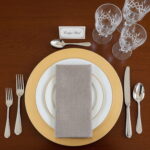
- Set the table appropriately for the formality of your event. For casual dinners, simple placemats with coordinated dishes work well. For formal events, follow traditional table-setting guidelines.
- Create ambiance with appropriate lighting (softer is better), background music (at a volume that permits conversation), and subtle scents (avoid strong fragrances that might compete with food aromas).
- Prepare a designated space for coats, bags, and gifts.
During the Party
Welcoming Guests
- Greet each guest personally at the door.
- Offer a beverage shortly after arrival.
- Give a brief tour if it’s their first visit to your home.
- Make introductions between guests who haven’t met, including a conversation starter to help them connect.
Serving Food – Sit Down Dinner
- Begin serving within 30-45 minutes of the stated arrival time, or once most guests have arrived.
- Explain the menu when serving, noting any special ingredients or preparation methods.
- Serve food in a logical sequence, allowing appropriate time between courses.
- Be attentive but not hovering, ensuring glasses remain filled and guests have what they need.
Serving Food – Buffet Dinner
- Let guests know your “buffet line” is open 30-45 minutes of the stated arrival time, or when most guests have arrived..
- Explain the menu by having note cards next to the food items noting any special ingredients or preparation methods.
- Arrange food in a logical sequence, either have plates ready at the beginning of the food line or have your guests pick their “assigned seat” by grabbing their plate from the dinner table. Leave utensils at the dining table.
- Be attentive but not hovering, ensuring everyone is able to dish up their food.
Facilitating Conversation
- Start general conversations that include everyone.
- Prepare a few neutral topics in advance to fill potential awkward silences.
- Gently redirect conversations that veer into controversial territory.
- Ensure no guest is left out by occasionally drawing quieter individuals into the discussion.
After the Party
- Express gratitude to each guest as they leave.
- Follow up with a thank-you message to guests who brought gifts.
- Reflect on what worked well and what could be improved for your next gathering.
For the Guest
Before the Party
RSVP Etiquette
- Respond promptly to invitations, ideally within 48 hours.
- Be honest about dietary restrictions but avoid making unnecessarily complicated requests.
- If you must cancel after accepting, give as much notice as possible with a sincere apology.
Preparation
- Research your host if you don’t know them well, finding potential conversation topics.
- Choose appropriate attire based on the event’s formality. When in doubt, business casual is usually a safe choice, or simply ask the host for guidance.
- Plan to arrive on time or within 10 minutes of the stated start time. Never arrive early unless specifically requested.
Gift Selection
- Bring a thoughtful token of appreciation. Popular options include:
- Wine or craft beer (if you know the host drinks alcohol)
- Artisanal chocolates or pastries
- Seasonal flowers in a vase (so the host doesn’t have to arrange them)
- Small plants or herbs
- Gourmet food items like specialty oils or preserves
- Avoid gifts that create immediate work for the host, such as flowers that need arranging or foods that require preparation.
During the Party
Arrival
- Greet your host first before interacting with other guests.
- Present your gift without expectation of it being used that evening.
- Offer to help but graciously accept if your offer is declined.
- Put away your phone and be fully present with the other guests.
At the Table
- Wait for the host to be seated before taking your place.
- Follow the host’s lead for when to begin eating.
- Use proper table manners, keeping elbows off the table and chewing with your mouth closed.
- Participate in conversation but avoid monopolizing it.
- Compliment the food genuinely, but without excessive flattery.
- Handle silverware from the outside in if multiple utensils are provided.
- Place your napkin on your chair if you leave temporarily, or beside your plate when finished.
Conversation Skills
- Prepare a few interesting anecdotes or topics that invite others to participate.
- Ask open-ended questions that encourage others to share.
- Listen actively rather than simply waiting for your turn to speak.
- Avoid controversial topics like politics, religion, and finances unless you know the group well.
- Read social cues about when to change the subject.
- Include everyone in the conversation, especially those who seem quiet or left out.
After the Party
- Offer to help clean-up but graciously accept if your offer is declined.
- Know when to leave by watching for cues from the host and other guests.
- Thank the host sincerely before departing.
- Send a thank-you note within a few days for formal dinners or particularly special occasions.
- Reciprocate the invitation in the future if appropriate.
Special Considerations
Dietary Restrictions
For Hosts
- Ask about dietary needs when inviting guests.
- Accommodate reasonable restrictions without making the guest feel burdensome.
- Label dishes if serving buffet-style.
- Have alternatives available for guests with severe restrictions.
- Don’t call attention to a guest’s special meal unless they bring it up.
For Guests
- Communicate restrictions clearly but without demanding special treatment.
- Offer to bring a dish that meets your needs and can be shared.
- Express appreciation for any accommodations made.
- Consider eating something beforehand if you’re unsure about food options.
- Focus on what you can eat rather than drawing attention to what you can’t.
Children at Dinner Parties
For Hosts
- Specify whether children are welcome in your invitation.
- If welcoming children, provide appropriate activities and possibly a separate eating area.
- Consider timing if children will attend, perhaps starting earlier than usual.
For Guests
- Don’t bring children unless explicitly invited.
- Bring quiet activities if children are attending.
- Be prepared to take overtired or misbehaving children home if necessary.
Common Faux Pas to Avoid
As a Host
- Overcomplicated menus that keep you in the kitchen instead of with your guests
- Last-minute preparation that leaves you stressed when guests arrive
- Forced activities that make guests uncomfortable
- Improper introductions that leave guests struggling to connect
- Discussing the cost or difficulty of preparing the event
- Excessive apologies for minor imperfections
As a Guest
- Arriving excessively early or late without communication
- Bringing uninvited plus-ones
- Constantly checking your phone
- Overindulging in alcohol
- Lingering too long after other guests have departed
- Asking for leftovers unless offered
- Making negative comments about the food, home, or other guests
Creating a Welcoming Atmosphere
Thoughtful Touches
- Personalized place cards show careful planning
- Background music chosen to suit the mood and guest preferences
- Comfortable seating arrangements that facilitate conversation
- Temperature control for guest comfort
- Accessible restrooms stocked with necessities
- Consideration for mobility needs of all guests
Handling Awkward Situations
- For spills or accidents: Address them matter-of-factly without making the guest feel worse
- For inappropriate comments: Gently redirect the conversation rather than creating confrontation. There’s no need for drama.
- For early departures: Accept graciously without demanding explanations
- For unexpected guests: Welcome them warmly while discreetly adjusting arrangements
- For gift imbalances: Never comment on the presence or absence of gifts
Modern Dinner Party Etiquette Summary
Modern dinner party etiquette balances traditional courtesy with contemporary relaxation of formal rules. The guiding principle remains making others feel comfortable and valued. Whether hosting or attending, your primary goal should be contributing to an atmosphere where meaningful connections can flourish. By approaching dinner parties with thoughtfulness and consideration, you help preserve the art of in-person socializing in our increasingly digital world.