Summer Kitchen Decor Ideas for Vibrant Spaces
Summer kitchen decorating transforms ordinary cooking spaces into vibrant retreats. As we look ahead to summer, refreshing your kitchen with seasonal elements creates an inviting atmosphere for both everyday meals and warm-weather gatherings. Certainly, the kitchen remains the heart of home entertaining during summer months, making stylish updates particularly important.
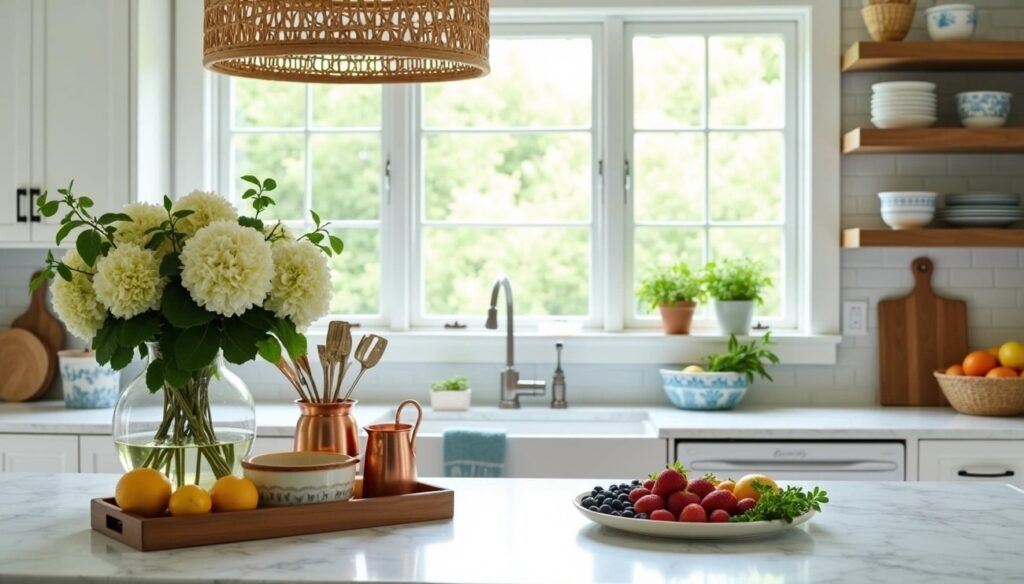
You don’t need a complete renovation to achieve a summer-ready kitchen. From reliable coastal-inspired color schemes to functional decor pieces and natural elements, small changes can dramatically shift your kitchen’s ambiance. This guide explores creative approaches to summer kitchen styling that balance esthetic appeal with practicality. Whether you prefer bold accents or subtle seasonal touches, these ideas will help you create a kitchen space that perfectly captures the essence of summer.
Summer Decorating: Add a Pop of Summer Color
Colors breathe life into kitchen spaces, especially during summer months when brightness and vibrancy perfectly match the season’s energy. The right color palette serves as the foundation for all your summer kitchen styling ideas, setting the mood and creating visual impact with minimal effort.
Use blue and white for a coastal feel
Blue and white kitchens offer a timeless combination that instantly evokes a refreshing coastal atmosphere. This classic pairing works with various design styles, from traditional to modern and everything in between. Blue, in particular, has a remarkable ability to transform the ambiance of your kitchen space.
“Blue can evoke a calming, serene feeling and I love how different shades can influence the overall feel of a space,” notes designer Mendelson. Whether you choose a dark navy blue for a traditional kitchen or a soft powder blue that embraces coastal style, blues maintain their relevance regardless of changing trends.
For a crisp coastal look, pair bright white walls with navy blue cabinets. This high-contrast combination creates a bold yet conservative scheme while maintaining a timeless appeal. Additionally, consider adding depth with blue-and-white patterned tile backsplashes that tie together various tones throughout the kitchen.
To enhance the coastal esthetic, incorporate brass fixtures, natural rope pendant lights, or woven rattan barstools. These elements add warmth and organic texture that complement the blue and white palette beautifully.
Incorporate lemon yellow for brightness
Summer calls for zesty, invigorating colors, and lemon yellow answers perfectly. This vibrant hue stimulates the senses and infuses cooking spaces with energy and liveliness. Even in winter months, hints of lemon can add charm and character while reviving a sense of summer in your home.
For a balanced approach to incorporating yellow, consider:
- Using lemon-themed tea towels with blue details for a Euro-summer feel
- Displaying real lemons in decorative bowls (practical and economical)
- Adding lemon-themed artwork or prints on walls
- Incorporating yellow buffalo check patterns for texture and interest
“The pale blue fabric really lets the lemon design shine,” notes one design expert about lemon-patterned kitchen textiles. Indeed, pairing lemon yellow with white and natural wood tones creates a calm, fresh esthetic. For a cohesive look, you might also add small touches of blue to connect different areas of your kitchen.
Try red accents for a bold summer look
Bold and energetic, red demands attention in any room—and summer kitchens are no exception. Red accents can transform your kitchen into a vibrant, inviting space that radiates warmth and personality.
The secret to successfully using red lies in restraint and strategic placement. Rather than overwhelming your kitchen, incorporate red in deliberate doses to create harmony. A good rule is keeping red to about 20-30% of your overall design scheme.
Red kitchen ideas range from subtle to dramatic. For a gentle approach, try red kitchen accessories like dishes, towels, small appliances, or decor accents. Red pendant lights can add a pop to an otherwise neutral space, while red bar stools bring an electric vibe reminiscent of a bustling pub.
For those feeling more adventurous, a crimson accent wall can serve as a focal point in a contemporary kitchen. Red pairs beautifully with neutrals like white, gray, and black, making it surprisingly versatile.
Different textures can dramatically change how red feels in your space—matte finishes create a subtle look, while high-gloss surfaces amplify red’s vibrancy. Above all, the thoughtful use of red can inject energy, warmth, and a touch of drama, making your summer kitchen feel both vibrant and refined.
Kitchen Decorating Tips: Style with Functional Decor
Functional items take center stage in summer kitchen styling, offering both practicality and visual appeal. Creating a beautiful kitchen isn’t just about esthetics—it’s about showcasing the everyday tools that make cooking a joy. With thoughtful arrangement, your utilitarian items become striking design elements that enhance your kitchen’s summer vibe.
Display cookbooks and utensils
Cookbooks add personality and charm to any kitchen space, telling the story of your culinary interests while providing practical inspiration. Instead of hiding them away, transform your collection into a deliberate design feature. Color-coding your cookbooks creates not only a striking visual display but also helps you locate favorites more quickly based on their color.
For smaller cookbook collections, consider these creative display options:
- Arrange them in rustic countertop boxes or wire baskets that complement your kitchen’s esthetic
- Install picture frame ledges to showcase beautiful cookbook covers as kitchen art
- Use bright, sculptural bookends to keep them standing straight on open shelving
- Repurpose spice racks on vertical cabinet surfaces to display books with covers facing outward
Utensils deserve similar treatment. “Add photo frames, a chalkboard menu, or even a pegboard with hanging utensils on your walls to make them work for you. It’s a simple way to add personality and charm to your kitchen”. A decorative crock filled with wooden spoons and spatulas serves as both practical storage and an attractive display element that adds texture and warmth to countertops.
Use cutting boards and trays as decor
Cutting boards have evolved beyond mere kitchen necessities into genuine decorative pieces. According to research, wooden cutting boards offer practical benefits too—studies show that within three minutes of contamination, 99.9% of Salmonella bacteria die on wooden boards, while surviving on plastic surfaces.
To style with cutting boards, layer different sizes against a backsplash, creating depth and visual interest through contrasting wood tones. “Wood elements in light and dark stains are beautiful against lighter kitchen cabinets and add the perfect contrast”. Alternatively, stack them in wire baskets or vintage magazine racks for a collected, casual look.
Throughout the kitchen, cutting boards can function as impromptu trays for grouping related items. “By simply taking a cutting board and arranging cooking supplies on top, you create an organized display that’s easy to move when needed”. This approach works especially well for items you use frequently, like olive oil, salt cellars, and cooking utensils.
Group items on trays for easy movement
Trays transform scattered necessities into intentional vignettes while offering mobility. “I’m already using a large platter as a tray by my coffee station, so by repeating the look I can keep other areas under control too”. This simple technique corrals visual clutter and allows you to move entire groupings when you need additional counter space.
The placement of trays matters too. Position them strategically near work areas—beside the stove for cooking essentials, next to the sink for cleaning supplies, or alongside the coffee maker for morning necessities. “Be sure to group the items that do stay out on your countertops. I like doing that with a basket or cutting board. They create a little zone for the smaller stuff”.
Consider varying tray materials and styles based on their contents. Bamboo trays work well for bathroom-like items near the sink, while ceramic platters might better showcase decorative salt cellars and olive oil bottles. “Instead of spreading everything out, try to group frequently used items that are related together”. This approach not only creates visual harmony but also improves functionality as items used together stay together.
Bring in Nature with Flowers and Greenery
Natural elements transform kitchens from purely functional spaces into vibrant, living environments. Bringing plants and flowers into your cooking area creates a welcoming atmosphere that connects your home to the outdoors. Moreover, this connection to nature offers practical benefits beyond pure esthetics.
Fresh flowers in vases or jars
Adding floral arrangements to your kitchen instantly elevates the space with color and life. Research shows that the presence of flowers can boost your mood, reduce stress, and improve the overall atmosphere of your home. For a simple summer arrangement, consider placing cut flowers in mason jars—a versatile vessel that works with numerous styles from rustic to modern.
Mason jars make excellent containers for natural designs, primarily when using a wide-mouth quart size that allows for proper arrangement. To create a professionally styled look:
- Begin with foliage pieces to establish shape and width
- Add line flowers like larkspur or snapdragons for height
- Include focal flowers such as roses or mini callas
- Finish with filler flowers to complete the arrangement
For summer kitchen styling, position your arrangements strategically—kitchen island centerpieces make natural focal points, while windowsill displays maximize natural light.
Mini herb gardens on the counter
A countertop herb garden serves dual purposes—beautiful decor that’s also functional. Fresh herbs not only look attractive but provide instant ingredients for cooking. Studies indicate that indoor plants can filter toxins from the air, improving indoor air quality.
Essentially, the best herbs for kitchen growing include basil, thyme, mint, parsley, chives, and cilantro. These varieties thrive indoors with proper care and add both visual interest and culinary benefits to your kitchen.
For an attractive setup, use matching pots or containers that complement your kitchen’s style. Alternatively, repurpose mason jars, terracotta pots, or even vintage tins. Position your herb garden near windows that receive plenty of light, subsequently ensuring your plants get the sunshine they need.
Use faux plants for low maintenance
Despite best intentions, not everyone can maintain living plants. Artificial options offer a practical solution for busy households or those lacking green thumbs. High-quality faux plants can look remarkably realistic while requiring zero maintenance.
Artificial plants enhance visual appeal, evoke nature, and stay perfect year-round. For kitchen styling that lasts, consider:
Faux herbs displayed on windowsills Artificial flower arrangements as kitchen island centerpieces
Small potted fake plants on open shelving
The key to success with artificial plants lies in selecting high-quality options with realistic details—look for natural variations in color and texture that mimic living plants.
Decorate with Seasonal Fruits and Foods
Edible elements offer some of the most appealing kitchen styling ideas for summer, combining visual beauty with practicality. Food-based decorations create an inviting atmosphere while simultaneously serving a functional purpose in your cooking space.
Use bowls of citrus or berries
A well-placed bowl of citrus fruits instantly brightens any kitchen with minimal effort. As seen in Meghan Markle’s Netflix show “With Love, Meghan,” a display of citrus on her kitchen island serves as a striking focal piece. Celebrity designer Bobby Berk echoes this approach, noting that citrus arrangements provide “chic, affordable, and colorful decor that anyone can add to their kitchen”.
For maximum visual impact, mix different varieties—oranges, lemons, limes, and grapefruits—to create texture and dimension through their varying sizes and rinds. The vessel matters just as much as its contents; consider ceramic bowls for painted kitchens or mesh containers that allow airflow to keep fruit fresher longer.
Decorate with faux lemons or strawberries
Faux fruits solve the inevitable problem of real produce—they eventually spoil. High-quality artificial options appear remarkably lifelike yet require zero maintenance. For strawberry enthusiasts, these vibrant red fruits create a charming atmosphere in kitchen design.
To incorporate faux fruits effectively:
- Style them in decorative bowls as countertop centerpieces
- Display lemon-patterned dishware on open shelving
- Arrange artificial fruit on travertine slabs for an elegant touch
Display baked goods or fresh bread
Fresh bread or baked goods create an inviting, homey atmosphere that appeals to multiple senses. For those wanting permanent displays, dried bread preserved with protective coating offers a lasting decorative element.
Alternatively, showcase actual baked goods on cake stands or display risers for both decoration and practical access. Many home stylists embrace the “farmstand chic” esthetic by incorporating bread displays reminiscent of European markets.
For an authentic touch, wrap bread loaves in checkered cloth, French ticking stripe napkins, or tie them with pretty lace ribbons. These simple embellishments enhance visual appeal while maintaining the rustic charm that makes food-based decor so welcoming in summer kitchens.
Add Finishing Touches with Art and Textiles
The final artistic touches elevate summer kitchen styling from pleasant to extraordinary. These thoughtful details capture the essence of the season throughout your space, creating a cohesive look that delights both residents and guests.
Hang seasonal prints or chalkboard art
Artistic elements immediately transform wall spaces into personalized style statements. Chalkboard art offers versatile appeal in kitchen settings, with authentic hand-drawn pieces maintaining “the authenticity and dust of the original drawing smudge free”. For placement, experts recommend framing chalkboard prints “in front of the glass for a more realistic appearance, or behind glass in areas where moisture is possible”.
Popular summer kitchen designs include cheerful food illustrations, citrus patterns, and Mediterranean landscapes. Historically, kitchens featuring “vintage summer gallery wall sets” create visual impact with “farmhouse kitchen, bright wall art, Spanish kitchen decor, orange prints, and citrus print” themes.
Use summer-themed dish towels and linens
Textiles infuse personality while serving practical purposes. Summer kitchen linens featuring “classic nautical designs in white and navy blue” or “bright, tropical prints” instantly refresh countertops and cooking areas. Uniquely, these pieces “add another detail to your coastal kitchen décor” while remaining functional.
Designers note that seasonal kitchen linens “add a pop of color and fun to your seaside inspired kitchen”. Consider textiles with “lemon-themed designs” or “summer cocktail patterns” that incorporate previously selected color schemes.
Create a centerpiece with flowers or fruit
Centerpieces form natural focal points on kitchen islands or dining tables. Interestingly, grocery store flowers create stunning arrangements without significant expense. For visual impact, pair “sunflowers, roses, eucalyptus and berry-looking flowers in yellow, pink and orange palettes”.
Alternatively, fruits make striking centerpiece elements. Notably, “oranges, cherries, lemons, peaches and apricots” add vibrant color. Professional designers recommend placing “whole oranges in glass vases” as bases for flower arrangements, which helps “prop up the flowers” while creating visual interest.
Summer Kitchen Decorations Overview
Summer kitchen decorations transform ordinary spaces into vibrant seasonal retreats through thoughtful, strategic changes. Color choices form the foundation of your summer kitchen, whether you prefer coastal blues, energetic yellows, or bold red accents. These hues set the mood while reflecting your personal style preferences.
Everyday kitchen items deserve spotlight treatment rather than being hidden away. Cookbooks, wooden utensils, and cutting boards serve dual purposes as both functional tools and beautiful decor elements. Similarly, organizing related items on decorative trays creates intentional design moments while maintaining practicality for busy cooking spaces.
Nature breathes life into summer kitchens through fresh flowers, potted herbs, or even high-quality artificial plants. These natural elements connect indoor spaces with summer’s outdoor energy while providing practical benefits for cooking and wellbeing. Seasonal fruits amplify this connection, offering vivid colors through real citrus displays or long-lasting faux alternatives.
Final artistic touches like seasonal wall prints, themed dish towels, and carefully crafted centerpieces tie everything together into a cohesive summer look. Small, thoughtful changes make significant differences in your kitchen’s atmosphere without requiring complete renovations.
The perfect summer kitchen balances beauty with functionality, creating a space where style enhances rather than hinders daily life. Your refreshed kitchen will certainly become the heart of summer entertaining while bringing joy to everyday cooking routines. These accessible styling ideas allow anyone to capture summer’s essence in their kitchen, regardless of budget or space limitations.